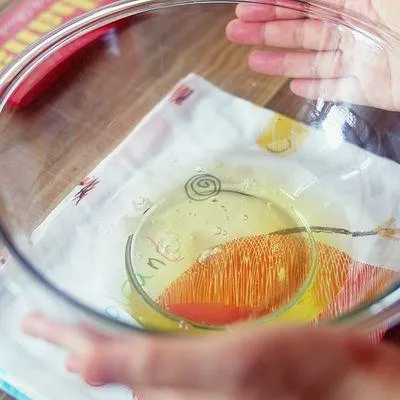
Prepare the equipment and ingredients. Use an ungreased chiffon or tube pan, and have a bamboo skewer, cooling rack, and a heatproof bowl ready. Separate the eggs, placing the yolks in a large mixing bowl and the whites in a separate large bowl.
Chill the egg whites in the freezer while you make the yolk batter. Melt the milk chocolate in the microwave at 600W for about 1 minute 30 seconds, stirring until smooth. Warm the milk to about body temperature, around 30 seconds at 600W. Preheat the oven to 210°C / 410°F and prepare boiling water for later.
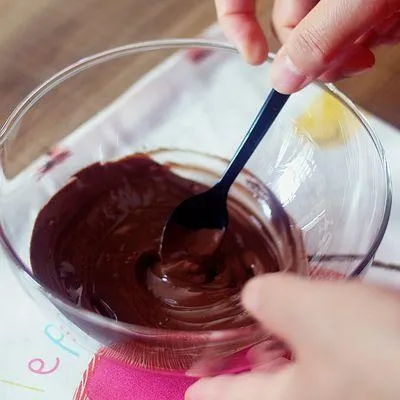
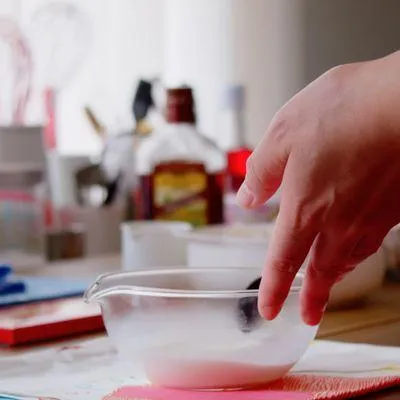
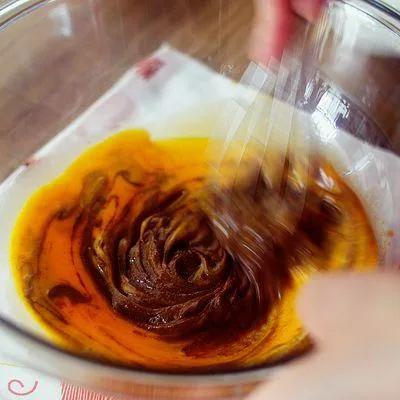
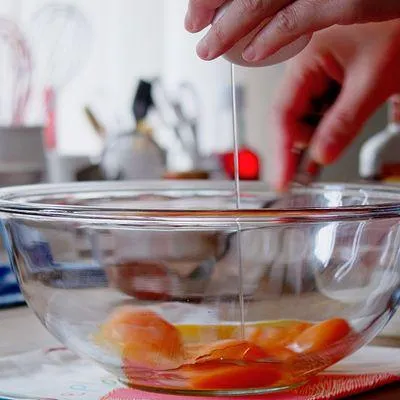
Whisk the egg yolks, then slowly drizzle in the vegetable oil while whisking constantly. Continue whisking for about 1 minute until glossy and smooth. Add the melted chocolate and mix until fully combined.

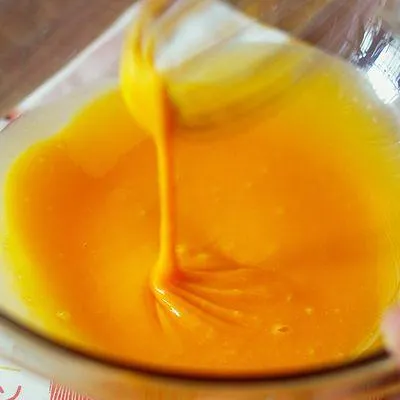
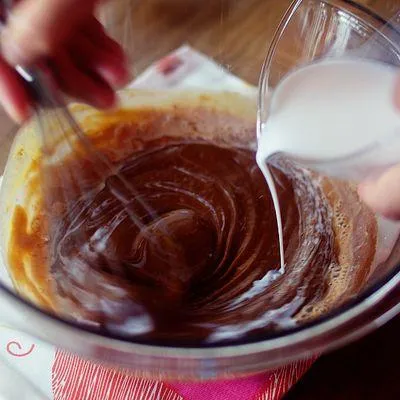
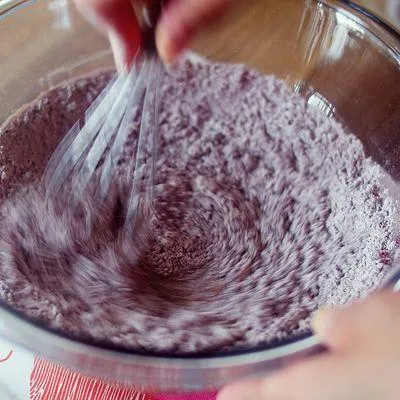
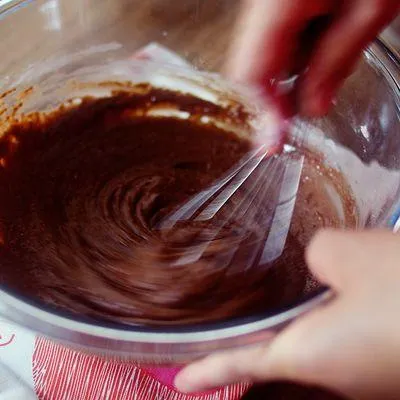
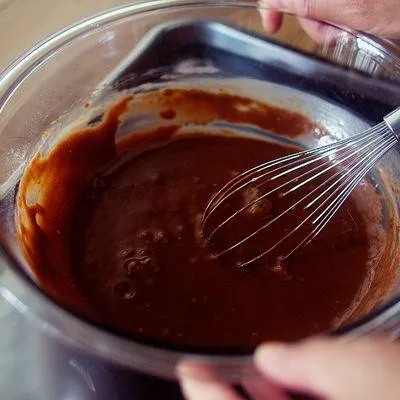
Gradually pour in the warm milk while whisking. Once all the milk is added, whisk for another 30 seconds. Sift in the cake flour, bread flour, and unsweetened cocoa powder, then mix until smooth. Whisk briskly about 40 times to build a stable, even batter.


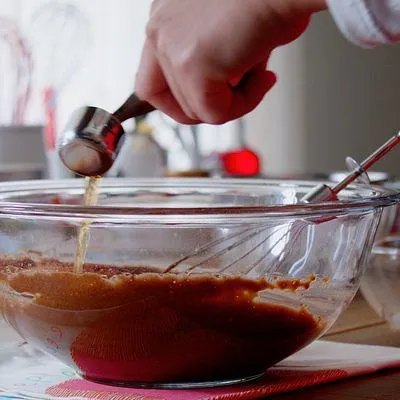
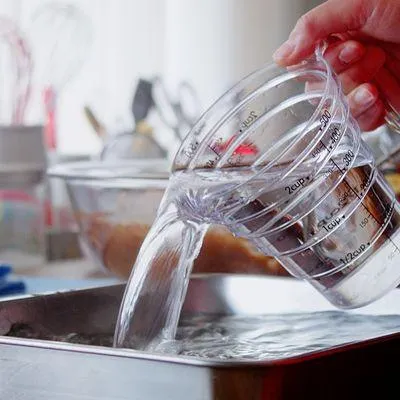
Stir in the rum, or use water if you prefer an alcohol-free cake. Set the bowl of chocolate batter into a larger container filled with hot water at about 50°C / 122°F to keep it warm and fluid while you prepare the meringue.


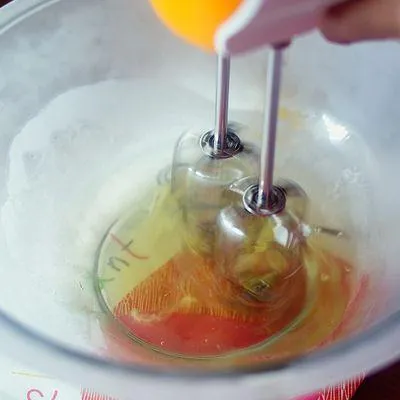
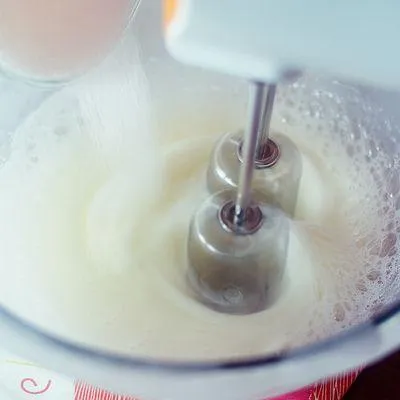
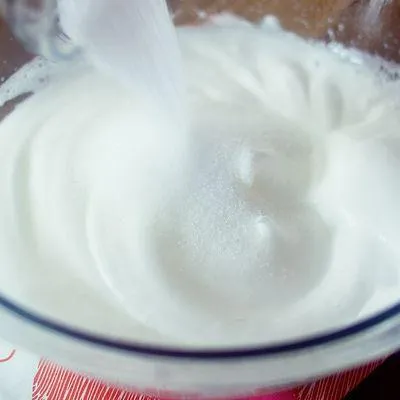
Make the meringue. Remove the chilled egg whites from the freezer and beat them with an electric hand mixer on high speed. When they turn foamy and white, add half of the granulated sugar.

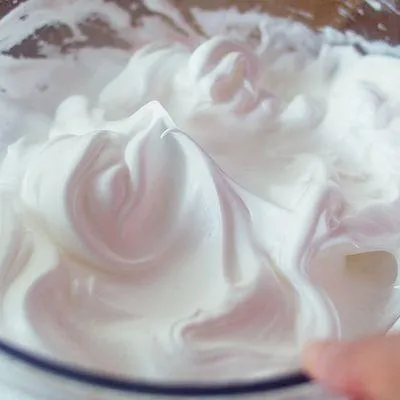
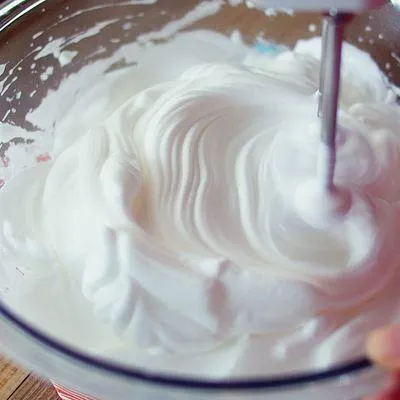
Beat for about 1 minute, until the foam becomes thicker, then add the remaining sugar. Continue beating until the meringue holds firm peaks with slightly curved tips. Reduce the mixer speed to low and beat for 1 minute to smooth out the texture.


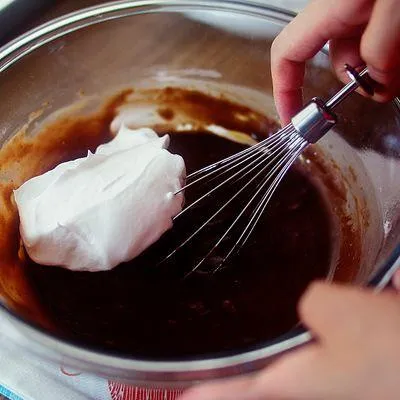
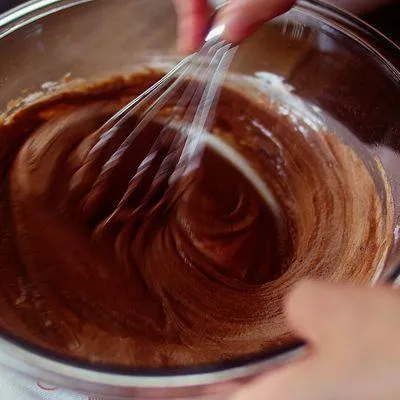
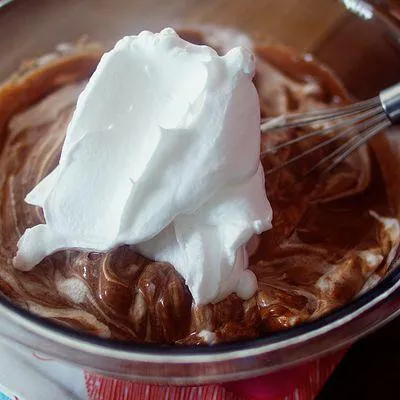
Take the chocolate batter out of the warm water bath. Add one scoop of meringue to the batter and whisk it in thoroughly to lighten the mixture.


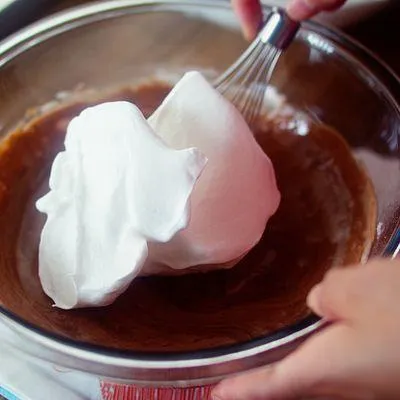
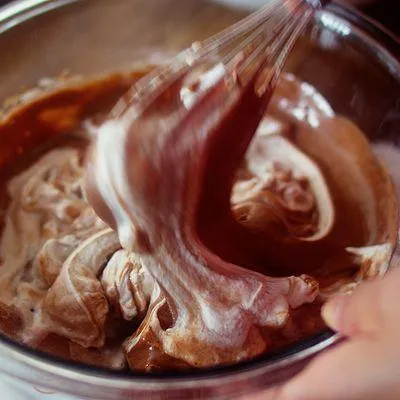
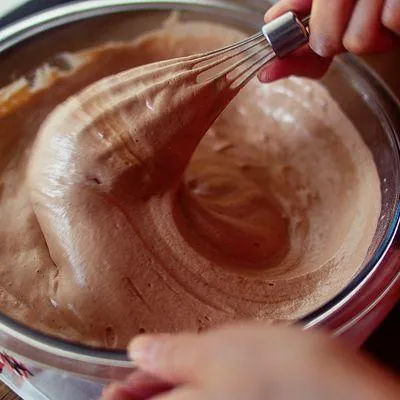
Fold in the remaining meringue in 3 additions. Work gently but efficiently, using the whisk to lift the batter from the bottom and sides. Add the next portion before the previous one is completely blended, stopping once no large streaks of meringue remain.


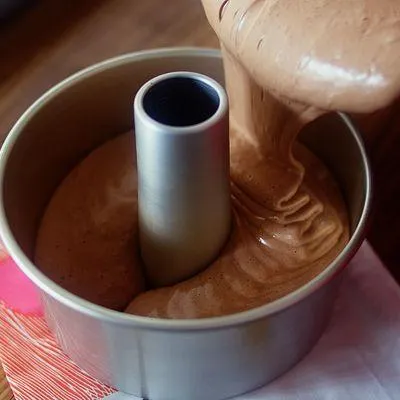
When the batter is nearly uniform in color, fold from the bottom and edges 10 to 20 more times until smooth. Pour the batter into the ungreased tube pan, filling it about 80% full.


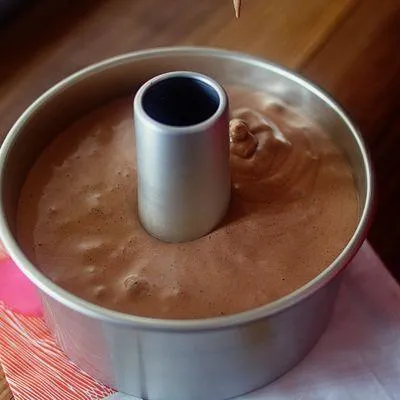
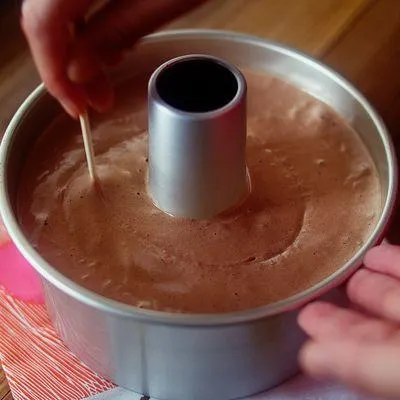
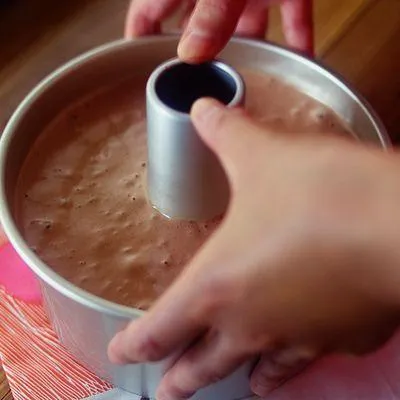
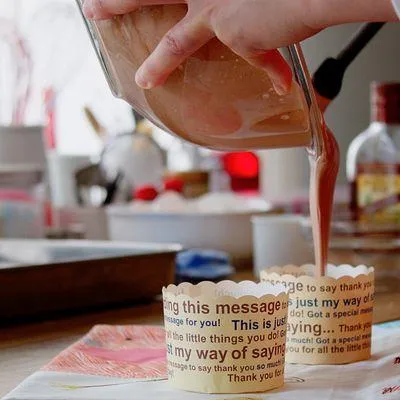
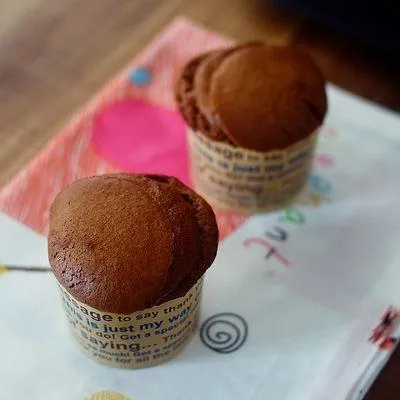
Run a bamboo skewer lightly through the batter to release large air pockets. Hold the center tube firmly and tap the pan gently on the counter twice. Lower the oven temperature to 180°C / 356°F and bake for 35 to 40 minutes. If you have extra batter, divide it into 1 or 2 paper muffin cups and chill them in the freezer until ready to bake.


As soon as the chiffon cake comes out of the oven, invert the pan and let the cake cool upside down for at least 4 hours. For any extra muffin cups, preheat the oven to 200°C / 392°F, lower it to 180°C / 356°F, and bake for about 25 minutes.


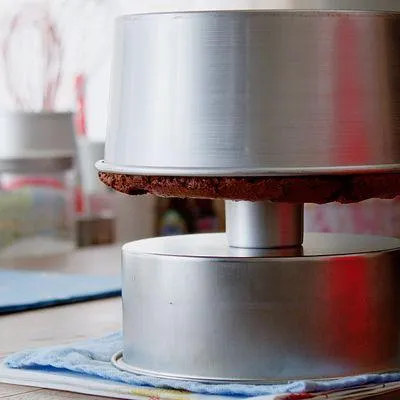
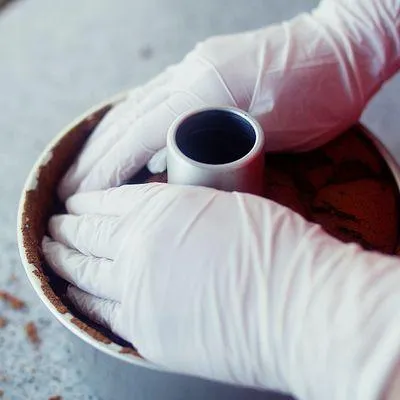
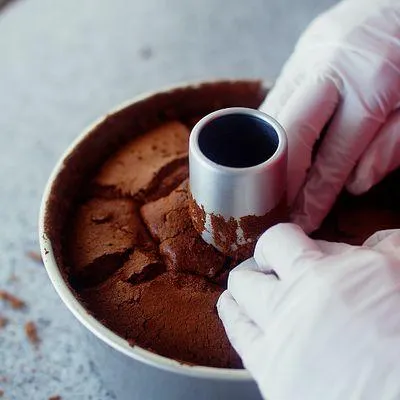
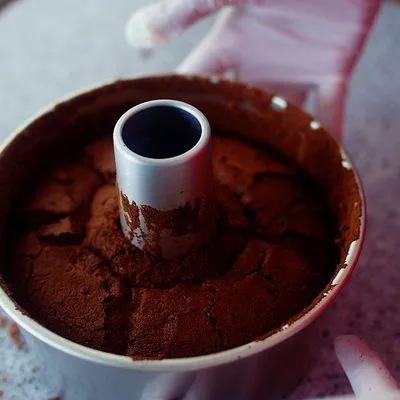
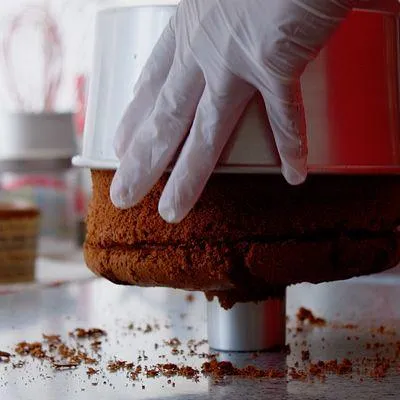
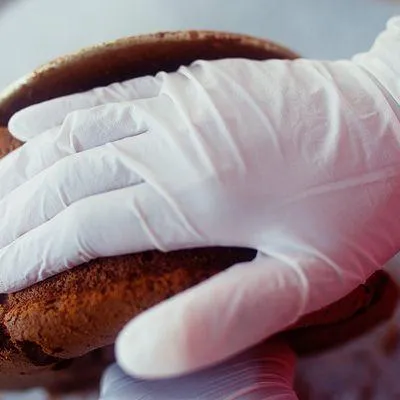
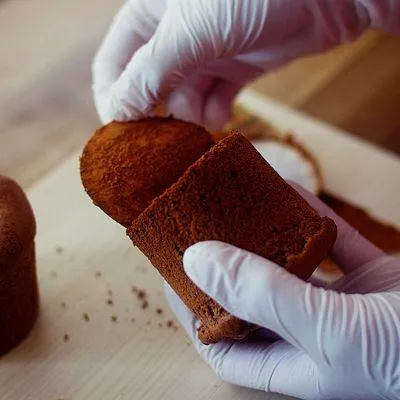
Once the cake is completely cool, loosen it from the pan. Gently press around the outer edge and around the center tube with your hands to release the cake, compressing it slightly without tearing it.


Turn the pan upside down, hold the removable base, and lift away the side of the pan. Gently press the outside of the cake to release it from the bottom plate. Peel the paper away from any baked chiffon muffins.


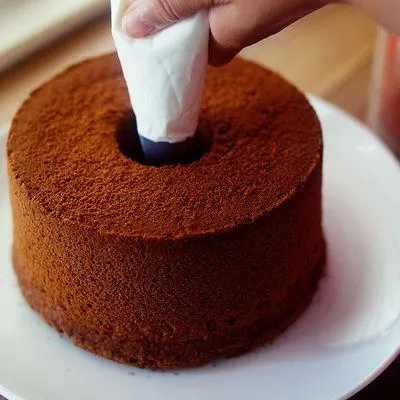
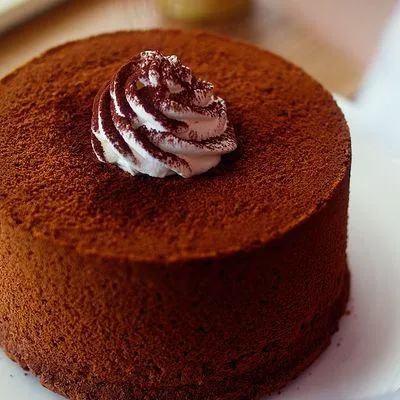
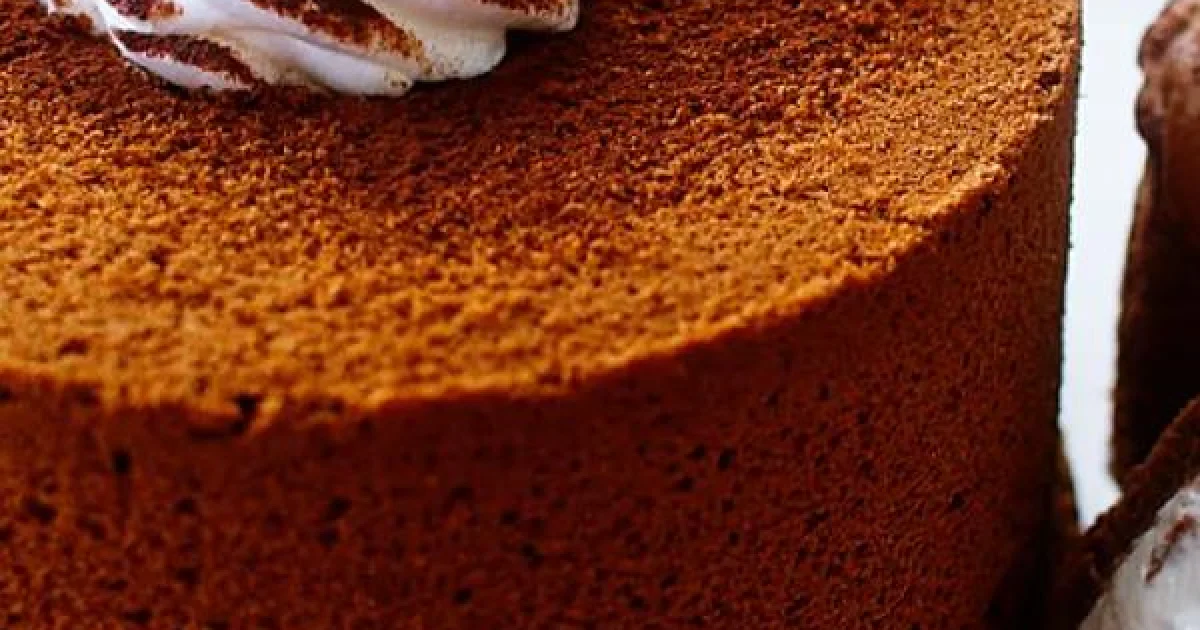
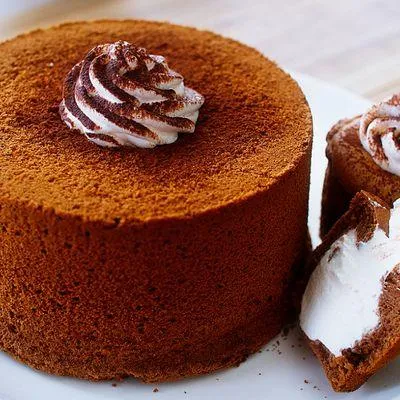
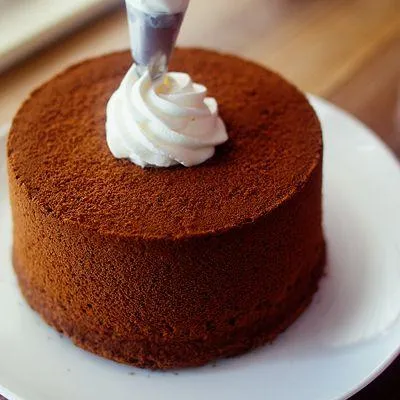
Make the topping. Combine the heavy cream and sugar in a chilled bowl and whip over ice water until soft peaks form. Transfer the cream to a piping bag fitted with a star tip. Fill the center hole of the chiffon cake with whipped cream, pipe a swirl over the top, and dust with cocoa powder.


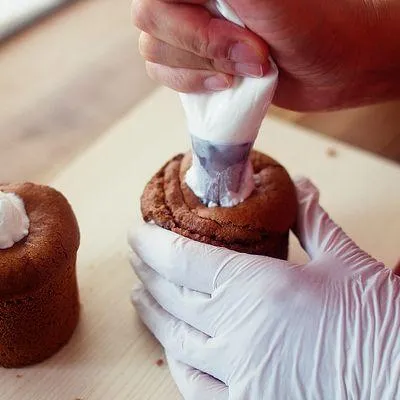
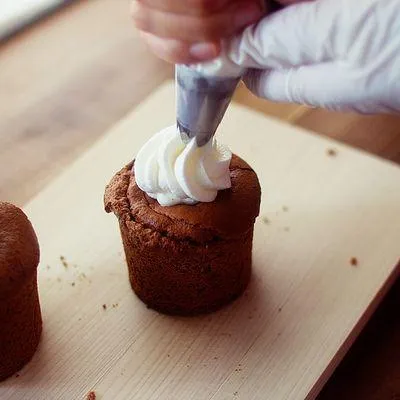
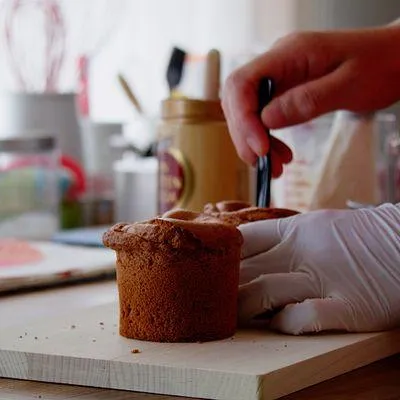
For the chiffon muffins, poke a small hole in the center of each one, fill with whipped cream, pipe a small swirl on top, and finish with a light dusting of cocoa powder.