Authentic Korean Bibimbap with Marinated Beef
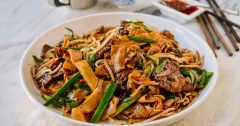
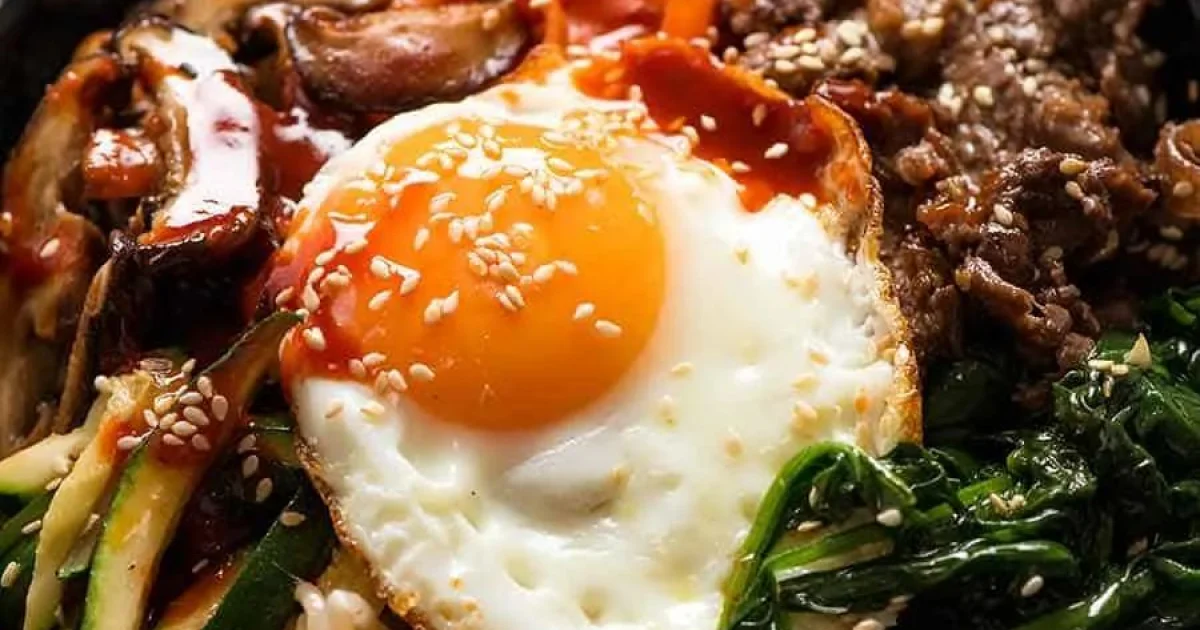
A vibrant and nutritious Korean rice bowl topped with a colorful array of seasoned sautéed vegetables, savory marinated beef, and a signature spicy gochujang sauce. This classic comfort food is as beautiful to look at as it is delicious to eat.
Servings4 Portions
Prep Time40 Mins
Cook Time30 Mins
Difficulty
Intermediate
Ingredients
4
- beef tenderloin or thick steak250 g
- cooked white rice4 cup
- eggs4
- carrots2
- zucchini2
- baby spinach1 bunch
- dried shiitake mushrooms8
- bean sprouts4 cup
- gochujang paste4 tbsp
- mirin2 tbsp
- rice vinegar2 tbsp
- soy sauce1 tbsp
- honey1 tbsp
- sesame oil2 tsp
- Vegetable oil8 tsp
- garlic, minced3 clove
- minced ginger1 tsp
- green apple0.3
- sesame seeds2 tsp
- white sugar0.3 tsp
- salt0.5 tsp
- fish sauce0.3 tsp
Step-by-Step Instructions
01
Prepare the Bibimbap sauce by combining the gochujang paste, mirin, rice vinegar, and sugar in a small bowl. Whisk until the sugar is completely dissolved and the sauce is smooth.
02
Prepare the beef marinade by mixing the grated green apple, minced garlic, ginger, soy sauce, honey, and sesame oil. Thinly slice the beef and toss it in the marinade. Let it rest for at least 30 minutes, or overnight for deeper flavor.
03
Soak the dried shiitake mushrooms in boiling water for 30 minutes until fully rehydrated. Drain well, squeeze out any excess water, and slice them into thin strips.
04
Optional: Place julienned carrots and zucchini in separate bowls. Sprinkle each with 1/4 tsp salt and let sit for 20 minutes. Drain the excess liquid to ensure they stay crisp when sautéed.
05