Homestyle Japanese Oden Hot Pot
This comforting Japanese oden hot pot simmers eggs, daikon, konnyaku, chicken wings, tofu, and fish cakes in a light dashi broth. It is deeply savory, gently sweet, and perfect for a cozy family meal.
Servings4 Portions
Prep Time35 Mins
Cook Time75 Mins
Difficulty
Intermediate
Ingredients
4
- chicken wings1 kg
- eggs4
- Wiener sausages4
- meatballs1 pack
- Daikon radish1 medium
- konnyaku1 block
- mochi kinchaku1 pack
- atsuage1 pack
- chikuwa1 pack
- hiraten flat fish cakes1 pack
- fried fish cake with burdock root1 pack
- tri-colored fish cake balls1 pack
- ice-cold water1000 ml
- Japanese dashi stock powder sachets2 sachets
- usukuchi soy sauce3 tbsp
- sugar2 tbsp
- mirin2 tbsp
- sake3 tbsp
- salt0.5 tsp
Step-by-Step Instructions
01
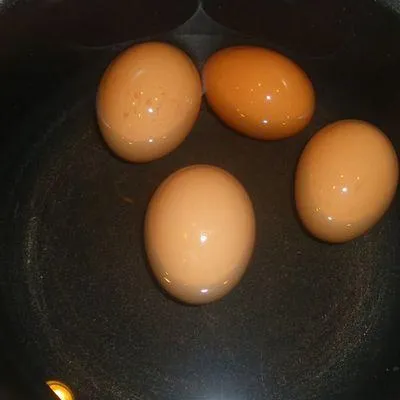
Place the eggs in a saucepan, cover with water, and boil until hard-cooked. Cool in cold water, then peel and set aside.
02
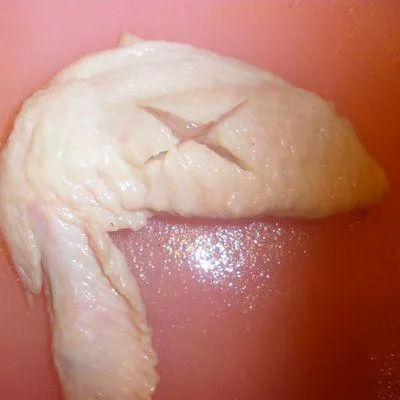
Peel the daikon and cut it into thick 3 cm rounds. Trim the sharp edges, then score a shallow cross on one side of each round so the broth can soak in.

03
Arrange the daikon on a microwave-safe plate, sprinkle with a little water, and cover loosely with plastic wrap. Microwave for about 8 minutes to par-cook.

04
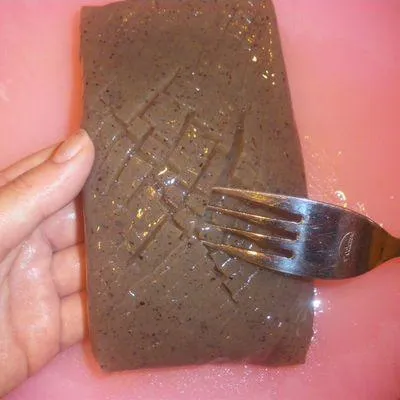
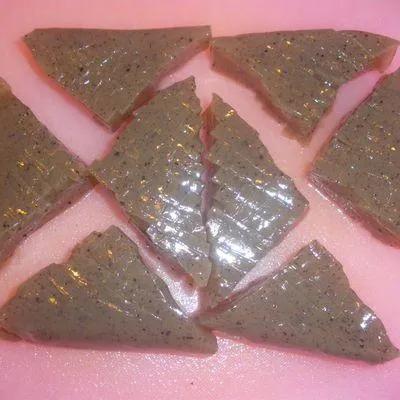
Score the surface of the konnyaku lightly with a fork. This helps it soften and absorb more flavor.